
On Saturday, Trump set a deadline for imposing punitive tariffs, demanding that Canada and Mexico take more decisive steps to stop the flow of illegal immigrants and the deadly opioids fentanyl and its precursors into the U.S.
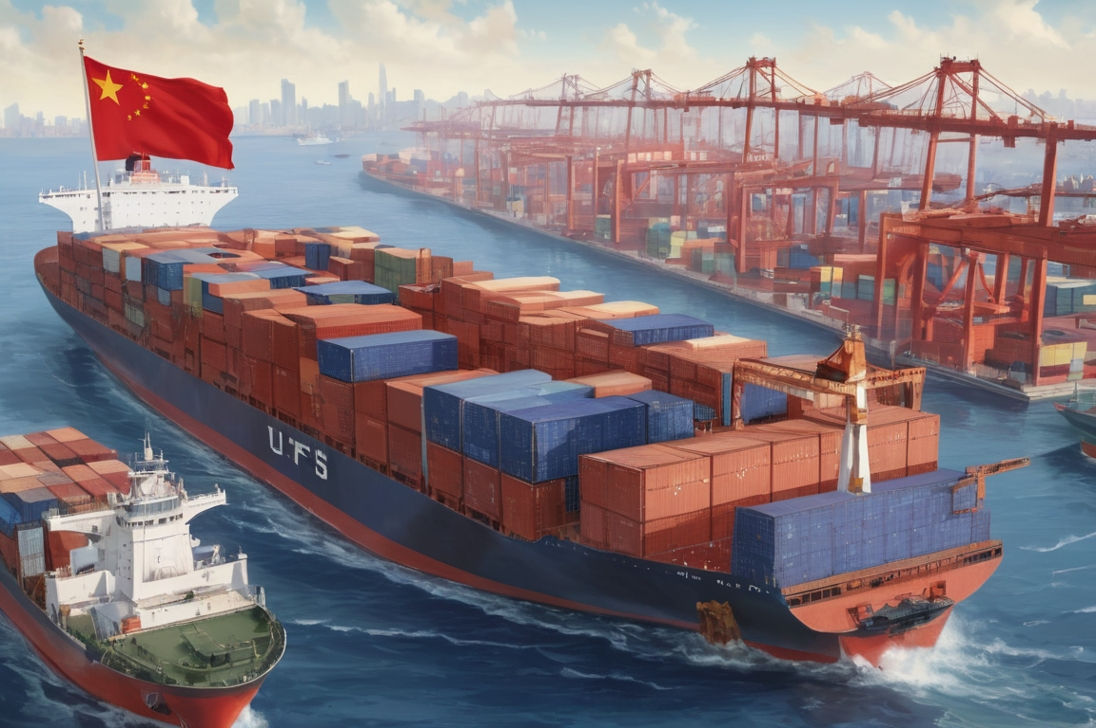
Trump said on Thursday that he is still considering imposing an additional 10% tariff on Chinese imports to punish Beijing for its share.
Industrial groups have actively tried to obtain any information about how Trump plans to implement the tariffs — whether he will impose full 25% tariffs with immediate effect or announce them and delay their implementation to allow time for negotiations on actions that may be taken by other countries.
Even immediate implementation will require two to three weeks of public notice before U.S. Customs and Border Protection can begin collecting duties based on previous tariff decisions.
Trump said on Thursday that he will soon decide whether to apply tariffs on Canadian and Mexican oil imports, suggesting he may be concerned about their impact on gasoline prices. According to U.S. Census Bureau data, crude oil is a key import from Canada and ranks among the top five imports from Mexico.
Two sources familiar with the matter said Trump is expected to cite the International Emergency Economic Powers Act (IEEPA) as the legal basis for the tariffs, declaring a national emergency due to fentanyl overdoses, which killed nearly 75,000 Americans in 2023, and illegal immigration.
The law, passed in 1977 and amended after the September 11, 2001 terrorist attacks, grants the president broad powers to impose economic sanctions during a crisis.
Among the trade tools available to Trump, IEEPA provides him with the quickest path to impose broad tariffs, as others require lengthy investigations by the Commerce Department or the Office of the U.S. Trade Representative.
Trump's nominees to lead these agencies, Wall Street CEO Howard Lutnick and trade lawyer Jamison Greer, have not been confirmed by the U.S. Senate. Trump used IEEPA to back his tariff threat against Mexico in 2019 over border issues.
SERIOUS DISRUPTION
Imposing tariffs would break the 30-year-old free trade system that has built a highly integrated North American economy, where auto parts sometimes cross borders several times before final assembly.
Economists and business leaders have warned that tariffs will spark significant price increases on imports like aluminum and lumber from Canada, fruits, vegetables, beer, and electronics from Mexico, and cars from both countries.
Tariffs are paid by firms importing goods and either passing the costs on to consumers or accepting lower profits, economists say.
"President Trump's tariffs will primarily tax America," said Matthew Holmes, head of public policy for the Canadian Chamber of Commerce. "Rising costs at gas stations, grocery stores, and online checkout counters — tariffs ripple through the economy and ultimately harm consumers and businesses on both sides of the border. It’s a lose-lose."
Canada has developed detailed targets for immediate tariff imposition in response, including duties on orange juice from Florida, Trump’s home state, a source familiar with the plan said. The source added that Canada has a broader list of targets, covering $150 billion in U.S. imports, but will hold public consultations before acting.
Canada's Minister of Energy and Natural Resources Jonathan Wilkinson said Canada's response will focus on products that harm Americans more than Canadians.
During Trump’s first term, China targeted American soybeans and other agricultural products, while the European Union struck against iconic American products like bourbon, whiskey, and Harley-Davidson motorcycles.
Mexican President Claudia Sheinbaum said Mexico will also take measures in response, claiming Trump’s tariffs would cost 400,000 U.S. jobs and raise prices for American consumers.
But Sheinbaum recently publicly doubted that Trump would follow through on his tariff promises, saying: "We don't believe it's going to happen, honestly."
Partly, this self-assurance may be linked to Trump’s 10-hour trade war on Sunday with Colombian President Gustavo Petro, who threatened the South American country with a 25% tariff over its refusal to allow U.S. military flights carrying Colombian deportees. The crisis ended when Petro agreed to accept the flights.
China has been more cautious in its retaliation plans. Liu Penyu, a spokesperson for the Chinese embassy in Washington, emphasized China’s cooperation with the U.S. on fentanyl trade controls and said he hopes the U.S. "won’t take China's goodwill for granted."
A U.S. trade group leader, speaking on the condition of anonymity, said Trump’s recent comments pointing to some progress on fentanyl and concerns about immigration suggest there's a strong chance tariffs will be announced but delayed. He added that Trump may need to back up his threats with action.
“If they continue threatening and then don’t follow through, they will lose credibility,” the executive director said.